The Ultimate Guide to Moisture-Proof Cabinets: Protect Electronics, Household Goods, and Stationery From Humidity Damage
Moisture-proof cabinets eliminate costly humidity damage to sensitive electronics, everyday household items, and delicate stationery supplies. This guide breaks down common use cases, performance specs, and actionable tips to pick the right unit for your unique storage needs.
- What Is a Moisture-Proof Cabinet, and How Does It Work?
- Top 3 Common Use Cases for Moisture-Proof Cabinets
- 1. Electronic Moisture-Proof Box for Sensitive Tech Gear
- 2. Household Moisture-Proof Box for Valuable Everyday Goods
- 3. Stationery Moisture-Proof Box for Delicate Paper and Art Supplies
- Key Specs to Look for When Buying a Moisture-Proof Cabinet
- Key Takeaways
- Frequently Asked Questions
- What RH level should I set my moisture-proof cabinet to?
- Do moisture-proof cabinets need to be vented?
- Can I store food in a household moisture-proof box?
- How often do I need to replace desiccant in an electronic moisture-proof box?
Humidity is one of the most overlooked, costly threats to stored valuable items, with 60% of unprotected consumer electronics failures traced to prolonged exposure to relative humidity (RH) levels above 60% per independent electronics industry testing data. A high-quality moisture-proof cabinet (also called an electronic moisture-proof box, household moisture-proof box, or stationery moisture-proof box depending on use case) maintains consistent low-humidity environments to stop corrosion, mold, warping, and irreversible damage that can ruin items worth thousands of dollars.
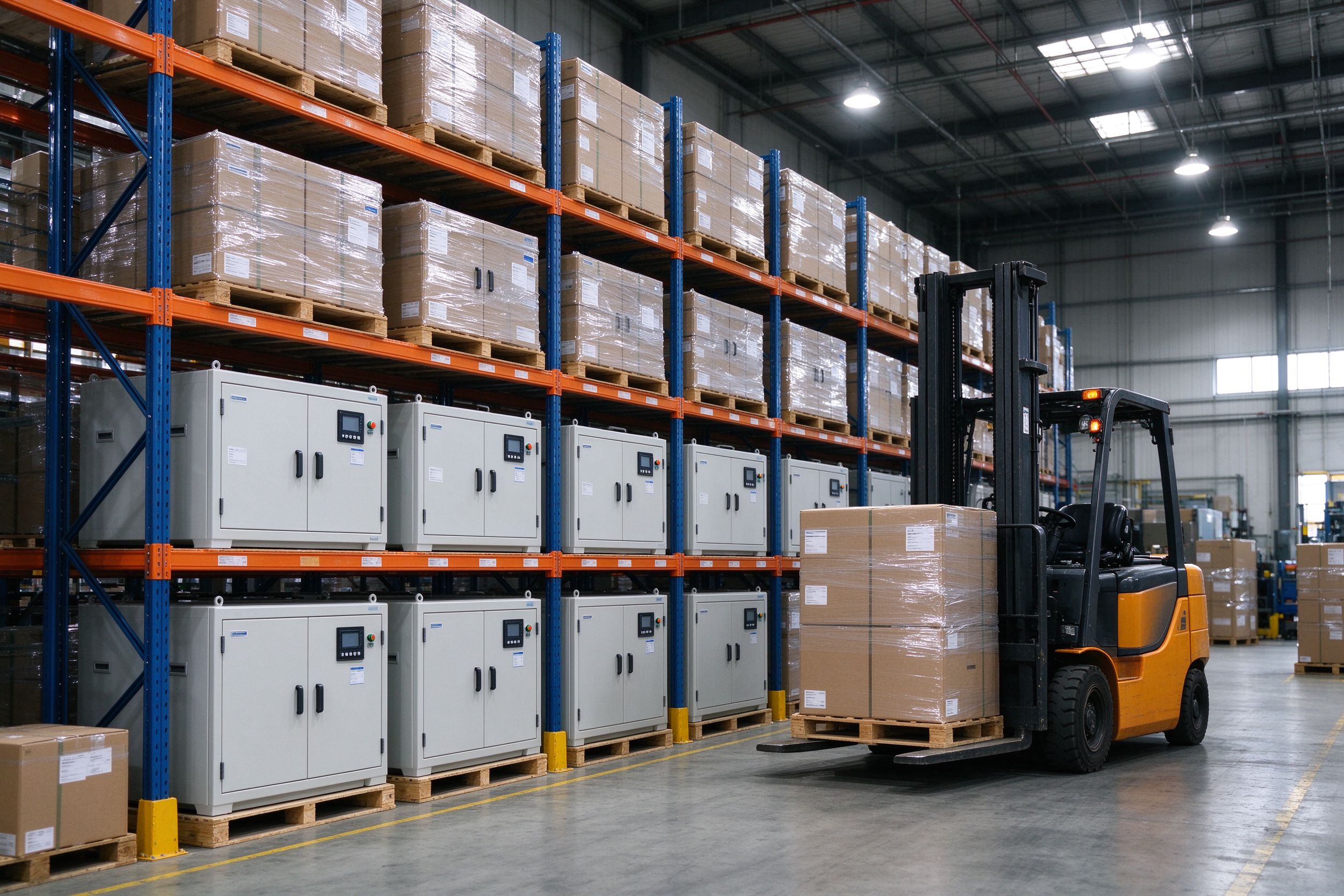
What Is a Moisture-Proof Cabinet, and How Does It Work?
Unlike basic plastic storage bins with disposable desiccant packets that lose full effectiveness after 2-3 weeks, a professional moisture-proof cabinet uses a low-wattage thermoelectric dehumidification system to pull excess moisture from sealed internal air without generating excess heat that could damage heat-sensitive items. Most standard units can maintain RH levels as low as less than 5% for high-sensitivity industrial components, or 30-50% for general household and stationery storage needs.
Top 3 Common Use Cases for Moisture-Proof Cabinets
1. Electronic Moisture-Proof Box for Sensitive Tech Gear
For photographers, 3D printing hobbyists, and small electronics repair shops, an electronic moisture-proof box prevents lens fungus, circuit board corrosion, and battery degradation that happens when gear is stored in damp basements, coastal homes, or monsoon-prone regions.
- Protects DSLR/mirrorless camera lenses, sensor bodies, and memory cards from permanent fungus growth that can render a $1,500 lens unusable in as little as 3 months of 70%+ RH exposure
- Safely stores 3D printer filaments, semiconductors, circuit boards, and drone components to stop warping and electrical connection failure
- Most mid-sized 30L electronic moisture-proof box units use less than 5W of power, costing less than $2 per year to run 24/7
2. Household Moisture-Proof Box for Valuable Everyday Goods
A compact household moisture-proof box is designed for general home storage to protect items that most people don’t realize are vulnerable to humidity damage.
- Preserves important paper documents, old photo albums, fine jewelry, coin collections, and prescription medications that degrade quickly in high-humidity environments
- Prevents silver tarnishing, leather goods cracking, and food supplements from clumping or losing potency 2x faster than their labeled expiration dates
- Countertop 16L household units fit easily on kitchen counters, home office desks, or bedroom dressers without taking up valuable floor space
3. Stationery Moisture-Proof Box for Delicate Paper and Art Supplies
Artists, calligraphers, and stationery collectors rely on a stationery moisture-proof box to keep their high-value paper goods in perfect, usable condition for years.
- Stops watercolor paper, calligraphy rice paper, and vintage greeting cards from warping, sticking together, or growing mold spots that cannot be removed
- Prevents ink pads, stamp ink, and water-based markers from drying out or thickening unevenly when stored for long periods
- Large 80L stationery moisture-proof cabinets can hold up to 500 sheets of specialty art paper with zero risk of humidity-related damage
Key Specs to Look for When Buying a Moisture-Proof Cabinet
Not all moisture-proof storage units deliver consistent, reliable performance, so prioritize these non-negotiable features to avoid wasting money on a low-quality model:
- Adjustable RH range: Pick a unit that lets you set humidity levels between 5% and 60% to match the exact needs of the items you are storing
- Auto-defrost function: Prevents excess condensation buildup inside the cabinet that can drip and damage stored goods
- Low power consumption: Top-rated DryVault moisture-proof cabinets use 3-7W of power, 80% less energy than standard full-size household dehumidifiers
- Sealed silicone door gasket: Creates an airtight seal that stops external humid air from seeping into the cabinet even when the unit is opened occasionally
Key Takeaways
- Uncontrolled humidity above 60% RH causes 60% of unprotected consumer electronics failures, per independent electronics durability testing
- Moisture-proof cabinets are available in specialized form factors: electronic moisture-proof boxes for tech gear, household moisture-proof boxes for home valuables, and stationery moisture-proof boxes for art and paper supplies
- High-quality models run 24/7 for less than $3 per year in electricity costs, making them a low-cost investment that prevents hundreds or thousands of dollars in avoidable damage
- Basic desiccant-only plastic bins lose dehumidification effectiveness after 2-3 weeks, while professional dry cabinets maintain consistent RH levels for 10+ years of continuous use
Frequently Asked Questions
What RH level should I set my moisture-proof cabinet to?
For camera lenses and semiconductors, set RH to 10-20%. For household valuables and stationery, set RH to 30-50% to prevent warping and mold without drying out delicate paper or leather.
Do moisture-proof cabinets need to be vented?
No, professional moisture-proof cabinets are fully sealed, with an internal thermoelectric dehumidification system that vents small amounts of extracted moisture outside the unit without letting external humid air enter.
Can I store food in a household moisture-proof box?
Most standard moisture-proof cabinets are designed for dry non-perishable goods like supplements, coffee beans, and tea, but are not rated for raw or refrigerated perishable food storage.
How often do I need to replace desiccant in an electronic moisture-proof box?
Units with active electric dehumidification never require desiccant replacement, unlike cheap passive moisture-proof boxes that need new desiccant every 2-4 weeks.